
The Hidden Science Behind Nutrition & Radiant Skin
The connection between nutrition and skin health goes beyond simple advice to “eat your vitamins.” Recent scientific research reveals sophisticated mechanisms that explain how specific nutrients support your skin’s daily functions.
Your skin contains specialised water channels called aquaporins, with AQP3 being the most abundant type in human epidermis. These channels facilitate water and glycerol transport between skin cells, directly affecting hydration levels. Research shows that certain nutrients, including omega-3 fatty acids and niacinamide, can influence how these channels function.
Studies consistently demonstrate that vitamin C plays essential roles in collagen synthesis and acts as a potent antioxidant in skin tissue. What’s particularly significant is how different nutrients work together rather than in isolation.
Scientific evidence shows that skin follows circadian rhythms, with repair processes becoming more active during evening and nighttime hours. Research on collagen homeostasis reveals that synthesis and assembly follow distinct daily patterns, with procollagen production occurring at night and fibril assembly during daytime in animal studies.
“Understanding how nutrients work at the cellular level helps us make more informed choices about supporting our skin’s natural processes through consistent, evidence-based nutrition.”
–
Dr. SCS
The evidence suggests that consistent nutrition patterns, rather than sporadic supplementation, best support these interconnected processes. Focus on regular intake of nutrients with established skin benefits: adequate protein for amino acid building blocks, antioxidant-rich foods for cellular protection, and essential fatty acids for membrane health.
Well-documented research shows that vitamins C and E work synergistically, with vitamin C helping to regenerate vitamin E’s antioxidant capacity. Clinical studies indicate that adequate vitamin C supports normal collagen synthesis, while vitamin E helps protect cell membranes from oxidative damage.

Join our mailing list
Stay in the loop! Join our newsletter for exclusive updates and promotions
Articles we think you will like
32.9% Wrinkle Reduction in 8 Weeks: Inside the Clinical Trials
Beyond Animal Collagen: The Science of Human-Identical Collagen
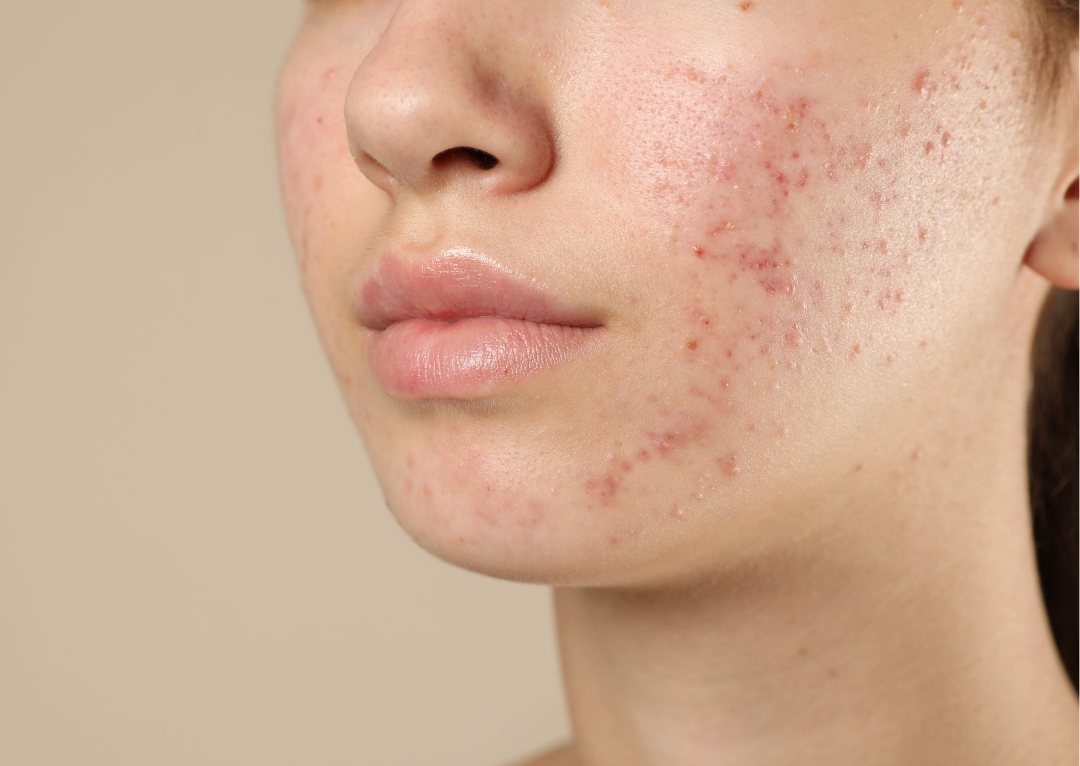
The Science Behind Clear Skin: How Your Gut Microbiome Controls Breakouts
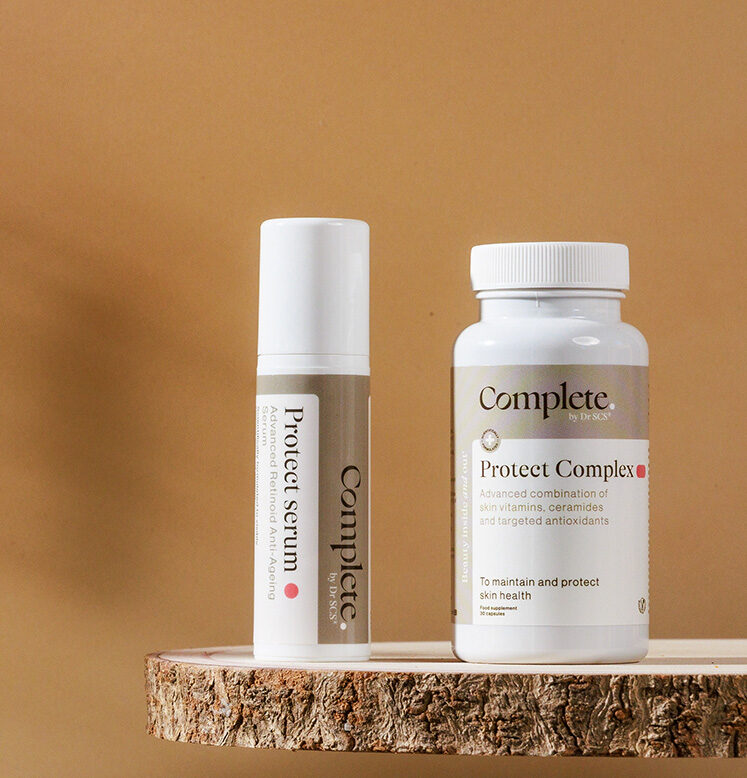
Most people are wasting money on retinol. Here’s why.
Why Your “Sensitive Skin” Might Actually Be Damaged Skin
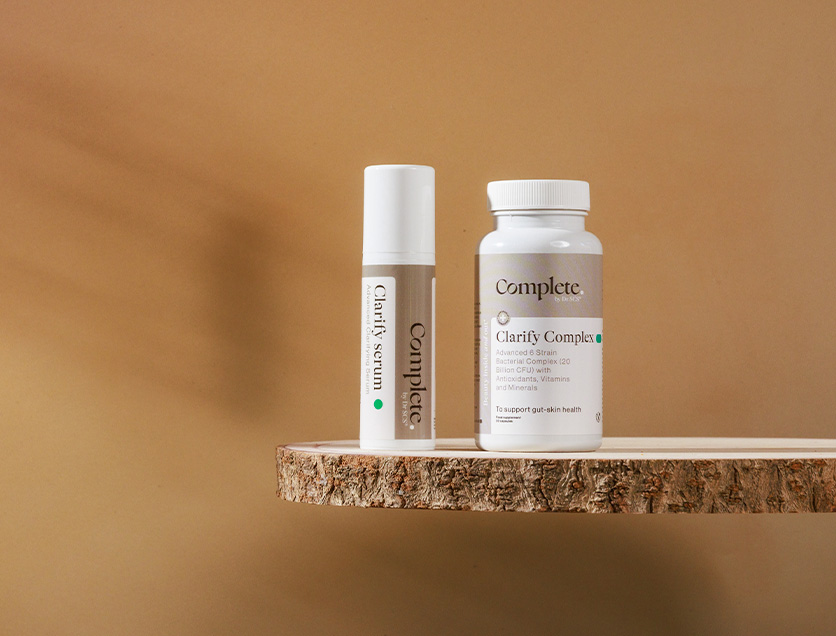
Stress & Skin Health: Understanding the Cortisol Connection
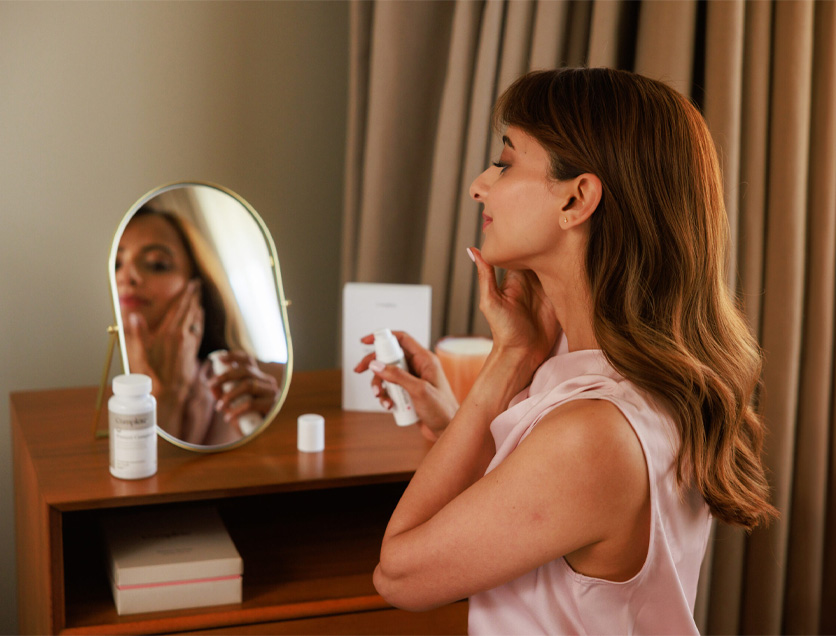
Building Your Skincare Routine: Evidence-Based Layering Principles
Magnesium & Menopausal Transitions: Examining the Evidence