
Most people are wasting money on retinol. Here’s why.
Everyone knows retinol works for wrinkles; it’s one of the few anti-ageing ingredients with solid clinical evidence. So people buy a retinol product (sometimes expensive, sometimes from the highstreet, sometimes from a dermatologist or clinic) and think it will do the job.
But here’s what most don’t realise: not all retinoids are created equal.
The active form that works on your skin is retinoic acid. Most products contain retinoid derivatives that need enzymatic conversion before they become active. The more conversion steps required, the less gets through to actually work on your skin. The closer a molecule is to retinoic acid, the more powerful the effects.
Then there’s the strength issue. Too strong and you get irritation (which, for deeper skin tones, can trigger unwanted pigmentation). Too weak and you’re wasting your money on something that won’t deliver results.
So what should you look for?
–
The form of retinoid matters more than the brand name or price point. Here’s the hierarchy:
Retinoic acid (tretinoin): Prescription only, no conversion needed, trials show it’s the most effective but often causes flaking, irritation and redness
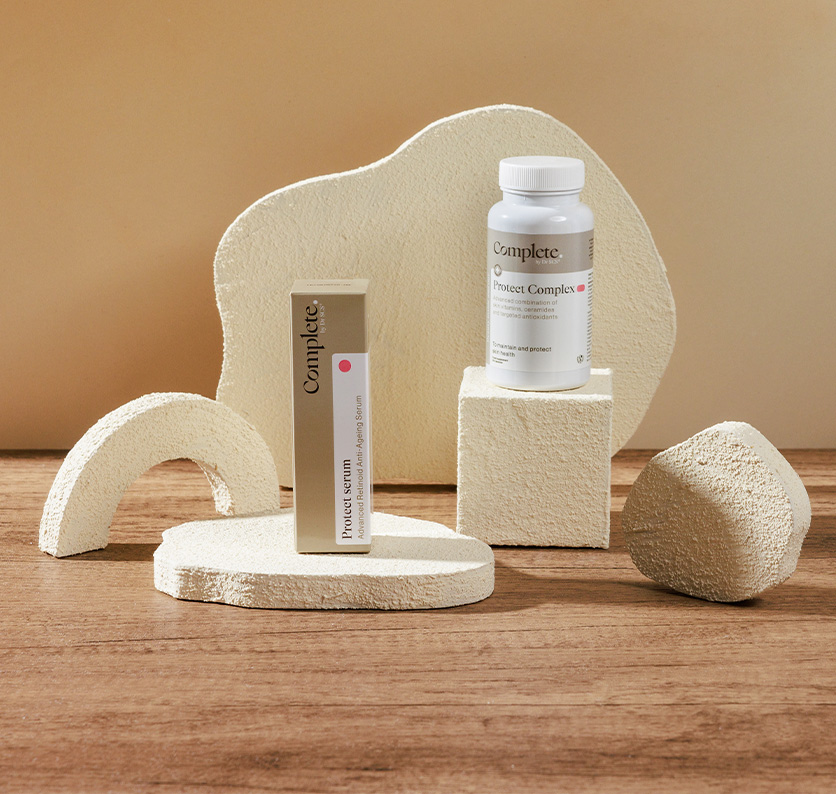
HPR (Hydroxypinacolone Retinoate/Granactive Retinoid): A relatively new type that’s an ester of retinoic acid (the same active as prescription tretinoin). Unlike retinol, retinyl esters and retinaldehyde, HPR doesn’t require enzymatic conversion to exert retinoid-like effects. It acts directly on receptors to increase cell turnover and proliferation, collagen synthesis, and blood vessel formation, which accounts for the anti-acne and anti-ageing benefits of vitamin A. The promise? You get the power without the unwanted side effects like flaking, skin irritation and redness. In some countries, HPR is even regulated like a prescription retinoid. It reduces wrinkles, dark spots, and improves firmness, clarity, texture and tone. Gentle enough for first-time retinoid users whilst still delivering results.
Retinaldehyde: One conversion step, good efficacy with moderate tolerability
Retinol: Two conversion steps, widely available, well-studied
Retinyl esters (like retinyl palmitate): Three conversion steps, the gentlest but also the weakest. Most stable formulation, but may take much longer to deliver visible results, if at all
For those with sensitive or reactive skin, or Fitzpatrick skin types III and above where inflammation can trigger pigmentation, HPR offers the best of both worlds: efficacy without the irritation. Clinical studies on bakuchiol (a plant-derived compound) have also shown comparable anti-ageing results to retinol with better tolerability, though it works through different mechanisms.
The bottom line: check what form of retinoid is actually in your product and at what concentration. If it’s retinyl palmitate buried at the bottom of the ingredient list, you’re likely not getting the results you’re paying for.
Of course, formulation and stability matter enormously too, but that’s a whole other topic.
What retinol are you currently using? Do you know what form it is?

Join our mailing list
Stay in the loop! Join our newsletter for exclusive updates and promotions
Articles we think you will like
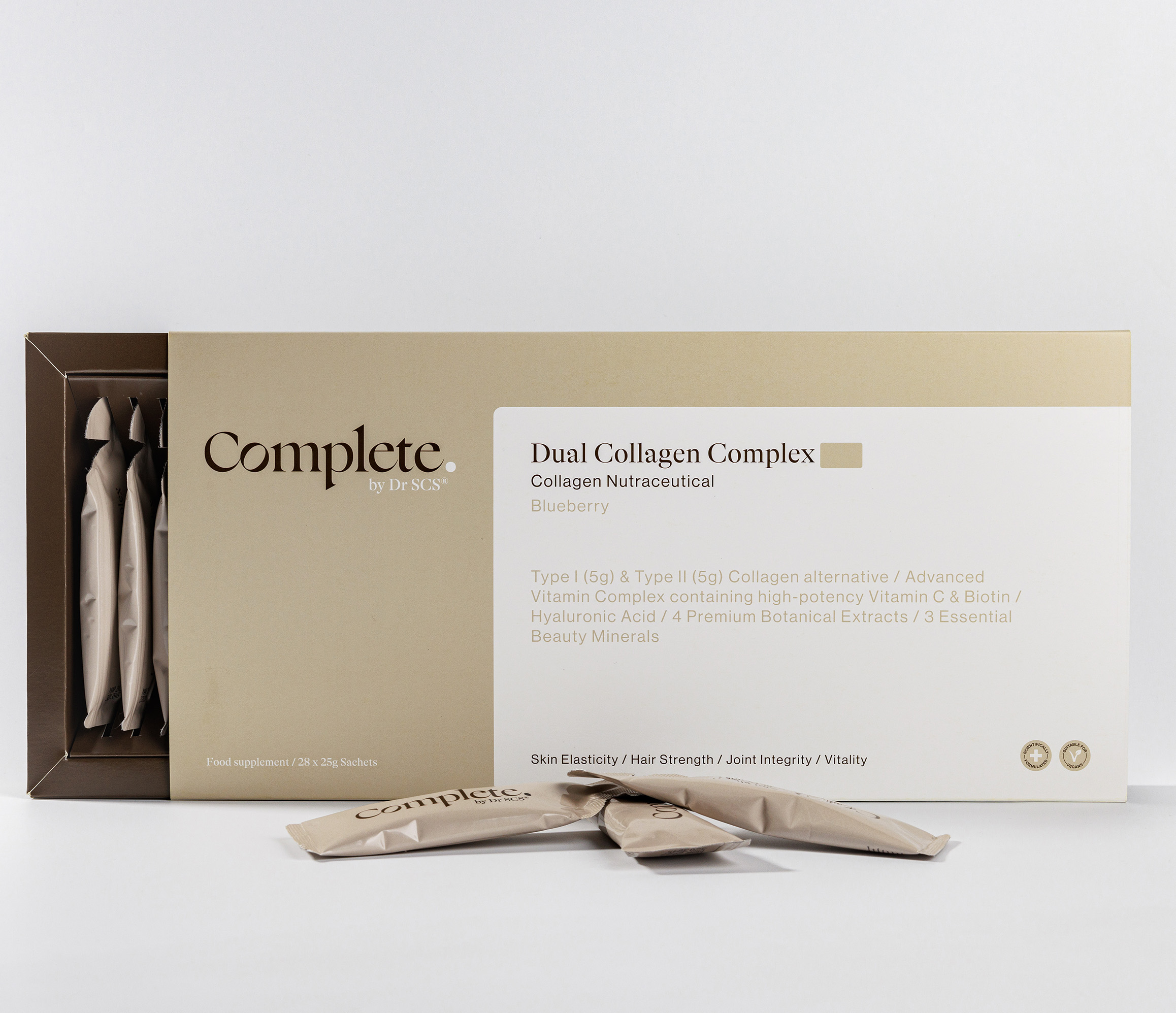
32.9% Wrinkle Reduction in 8 Weeks: Inside the Clinical Trials
Beyond Animal Collagen: The Science of Human-Identical Collagen
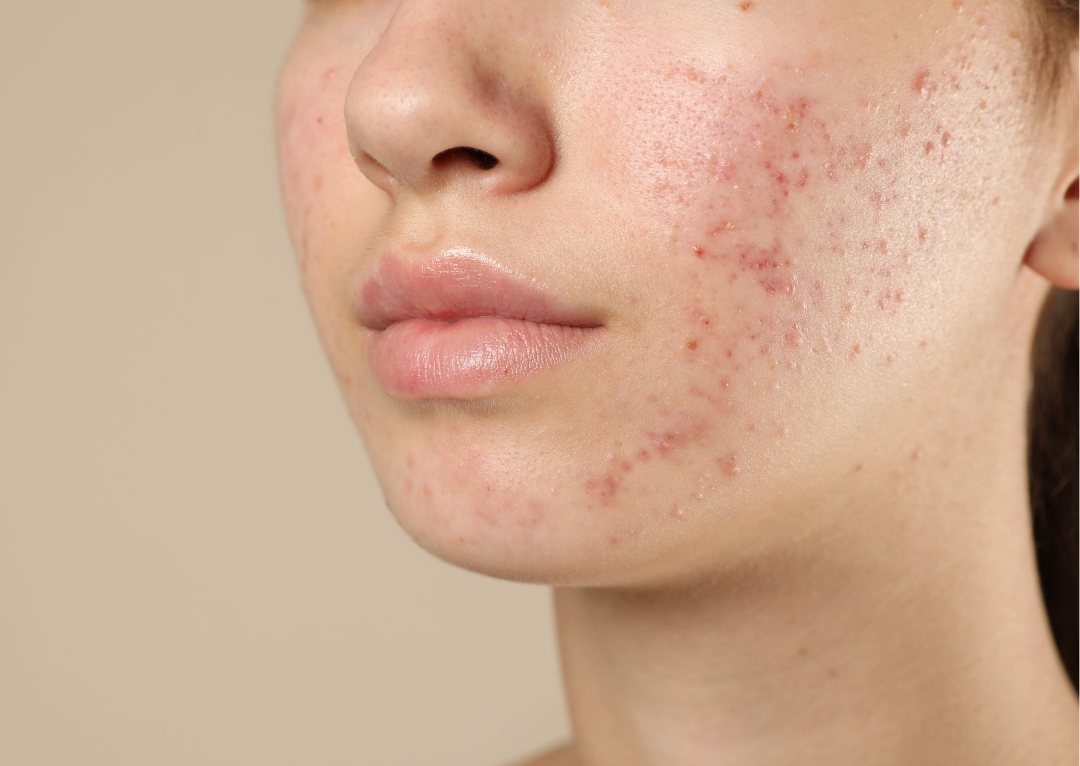
The Science Behind Clear Skin: How Your Gut Microbiome Controls Breakouts
Why Your “Sensitive Skin” Might Actually Be Damaged Skin
Stress & Skin Health: Understanding the Cortisol Connection
Building Your Skincare Routine: Evidence-Based Layering Principles
Magnesium & Menopausal Transitions: Examining the Evidence
Azelaic Acid: Clinical Evidence for Inflammatory Skin Conditions